Bluebird blog
Why Colorado sun is harder on paint than you think
Denver sits at 5,280 feet and receives roughly a quarter more ultraviolet radiation than a city at sea level, which makes sun the single biggest long-term threat to a Colorado car’s finish.
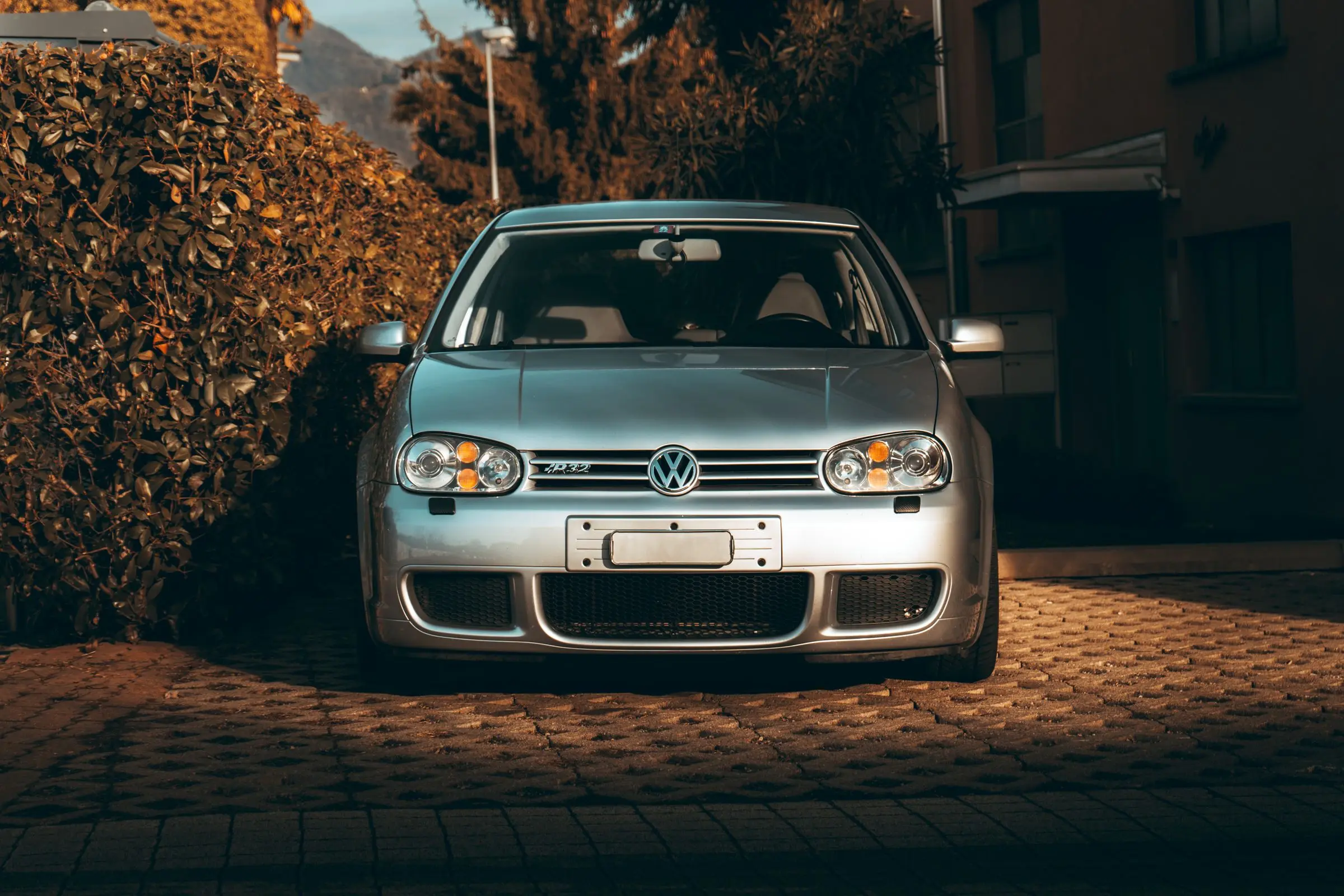
Denver sits at 5,280 feet and receives roughly a quarter more ultraviolet radiation than a city at sea level, which makes sun the single biggest long-term threat to a Colorado car’s finish. It is also the slowest, which is why most people do not act on it until the damage is already visible.
What ultraviolet actually does to paint
Ultraviolet breaks down the clear coat from the surface down, and once it has failed there is no polishing it back. Clear coat is the layer doing all the protecting. The color underneath it is not designed to be exposed.
The progression is predictable:
- The finish loses depth and starts looking flat rather than wet
- Oxidation gives it a chalky haze, most obvious on red and black
- The clear coat begins to fail, usually on horizontal panels first
- It peels, and at that point the only fix is a respray
Roofs, bonnets and boot lids go first because they take the most direct exposure. That is why a ten year old Colorado car often has a perfect looking door and a ruined roof.
It is not just the paint
Ultraviolet takes the trim and the interior with it. Unprotected plastic trim fades to gray and eventually goes chalky. Dashboards crack. Leather dries out and splits along the seat bolsters where it flexes.
An interior detail at $169 includes dressing hard surfaces to an even satin rather than a greasy shine, and the dressing is doing more than making it look clean.
Why altitude makes this a Colorado problem specifically
There is less atmosphere above you at 5,280 feet to absorb ultraviolet before it reaches the car. Add roughly three hundred sunny days a year and paint here ages faster than the same paint in a coastal city.
Snow makes it worse in a way people do not expect, because it reflects ultraviolet back up at the underside of mirrors, sills and bumpers that would otherwise be shaded.
What actually slows it down
Four things, in order of how much they help:
- Park in shade or a garage. Free, and more effective than anything you can buy.
- Keep a protective layer on the paint. Wax lasts weeks and a sealant lasts months, so the practical answer for a car parked outside is a coating.
- Wash off contamination. Bird droppings and tree sap etch far faster in strong sun than in shade.
- Dress the trim and the interior. These fail earlier than the paint and are harder to bring back.
A ceramic coating at $299 gives ultraviolet resistance that holds for two to three years rather than washing off in a month. On a car that lives outside in Colorado, that is the protection worth having.
If it has already gone dull
Oxidation that has not yet reached clear coat failure can usually be brought back. Paint correction at $399 cuts the dead oxidised layer off and leaves the good clear coat underneath, and coating it afterwards is what stops it happening again.
If the clear coat is peeling rather than hazy, correction cannot help. That is a paint job, and we will tell you so rather than take the booking.