Protection that outlasts wax
Ceramic coating, built for what Colorado does to paint
High-altitude sun, mag-chloride winters, and dust that never stops. A ceramic coating bonds to the clear coat and holds two to three years of protection wax cannot approach.
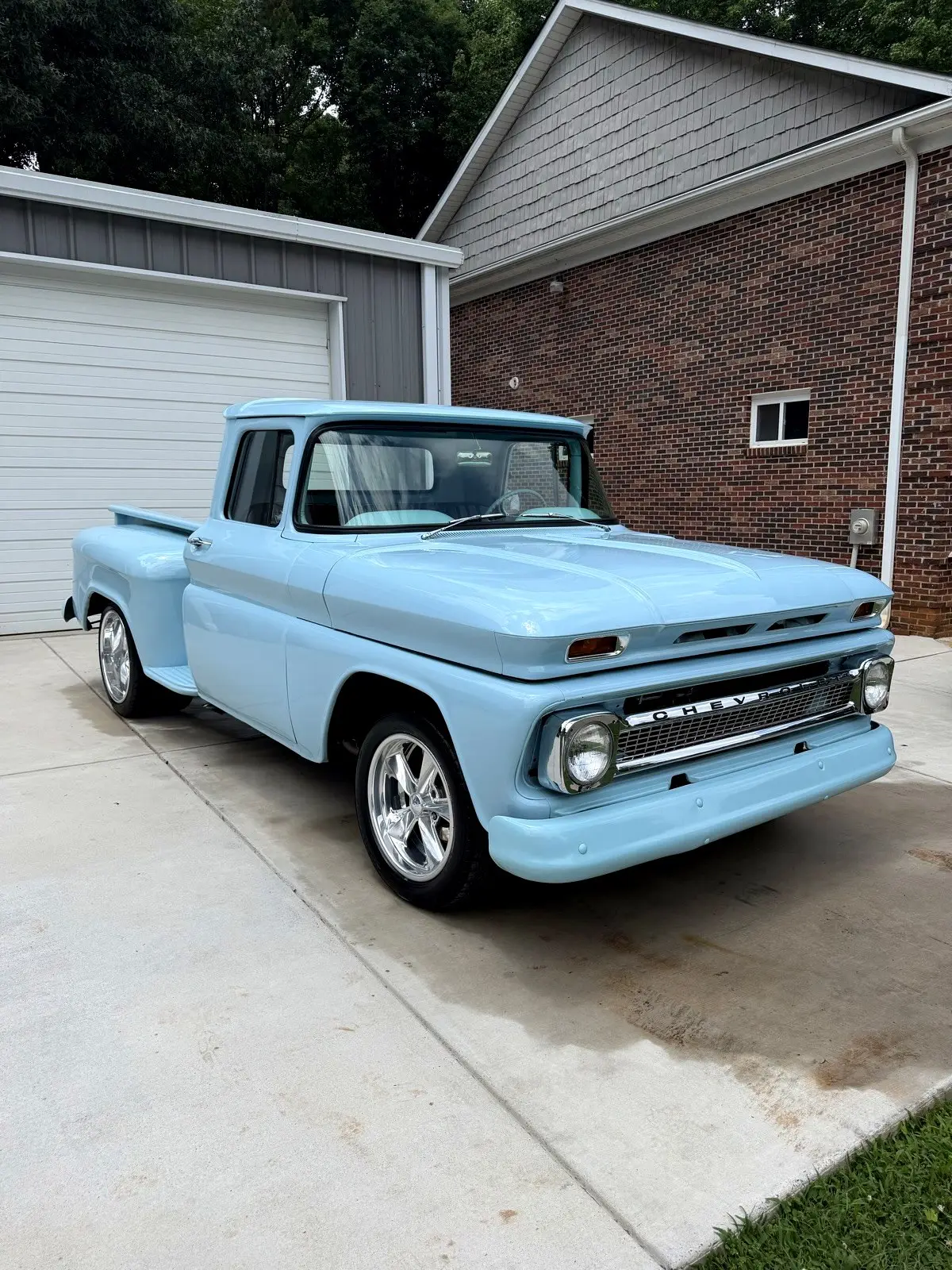
- From
- $299
- Protection
- 2 to 3 years
- Resists
- UV and road film
- Best paired with
- Paint correction
What it covers
Everything in this service, itemized
Ceramic Coating from $299 includes the following 10 steps, every one of them carried out at your home or office.
- Decontamination wash
- Clay bar to bare, smooth paint
- Panel wipe before application
- Coating applied by hand in sections
- Leveled before it flashes
- Cured before handover
- Wheels optionally coated
- Glass optionally coated
- Two to three years of protection
- Aftercare guidance that is two sentences long
01
What does a ceramic coating actually do?
It cures into a hard, chemically bonded layer over the clear coat. UV, road film, winter chemicals, and bird droppings sit on the coating instead of the paint, water beads and carries dirt off, and every wash afterwards is faster because less sticks in the first place.
Our standard coating is rated for two to three years. Front Range sun is a genuine paint killer, the UV load at altitude is a real number, not marketing, and it is the main reason coated cars here stay looking newer, longer.
02
Ceramic coating or wax?
Wax is weeks; a spray sealant is months; a coating is years. If you plan to keep the car and park it outside, the coating is the only one of the three that meaningfully changes what the paint goes through. If you wax for the ritual of it, keep waxing, over the coating, if you like.
03
Does the paint need correction first?
The coating locks in whatever is under it, including swirl marks. On paint in good shape we coat directly. On paint with visible defects we recommend a single-stage correction first, because sealing scratches under two years of coating is a decision you cannot cheaply undo.
04
How do I look after a coated car?
Wash it normally, skip the automatic car wash, and do not wax over it expecting more protection. That is the whole regime. A monthly maintenance plan keeps a coated car at its best with zero thought on your side.
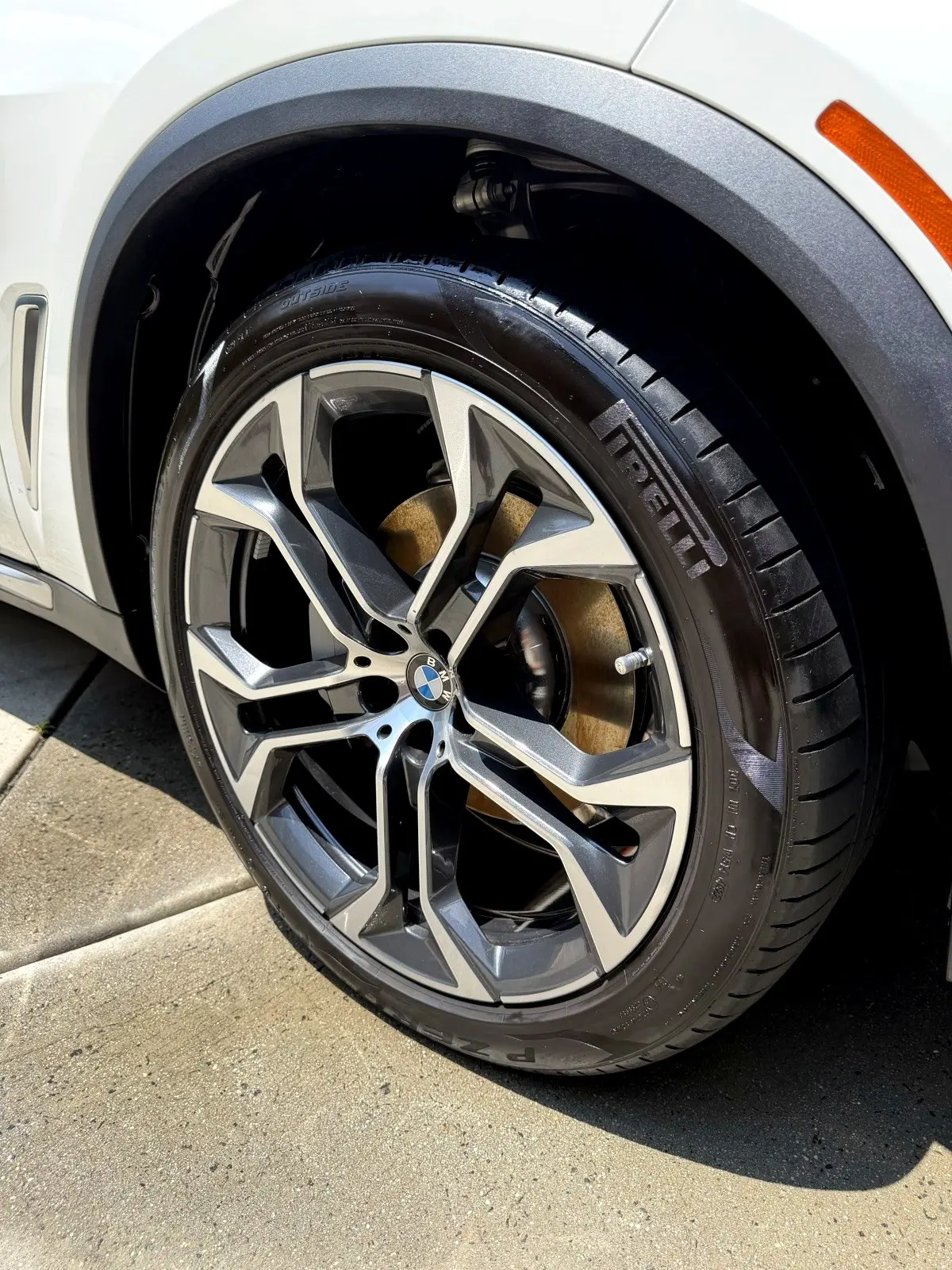
Wax is weeks. A coating is years.
Questions, answered
Ceramic Coating: common questions
Ceramic Coating from Bluebird Detailing starts at $299 for a coupe or sedan and is carried out at your home or office anywhere in the Denver metro. The questions below are the ones customers ask most before booking it.
How much does ceramic coating cost in Denver?
Our standard ceramic coating starts at $299 for a coupe or sedan, and that is the mobile price: we coat the car at your home or office, so there is no shop rate on top. SUVs and trucks carry more panel area and cost more. Paint correction beforehand, if the car needs it, is quoted separately from $399.
How long does a ceramic coating last?
Two to three years on the standard coating, given normal Front Range use and hand washing rather than a brush tunnel. Colorado sun is hard on coatings: the UV load at altitude is genuinely higher than at sea level, so the honest number for a car parked outside year-round is closer to two.
Does ceramic coating stop scratches and rock chips?
No, and it is worth being blunt about that: a coating is roughly the thickness of a sheet of paper split many times over; it resists chemical etching, sun, and road film, and it makes washing far easier. It will not stop a rock on I-25 or a shopping cart. Anyone promising scratch-proof is selling you something else.
Do I need paint correction before a coating?
If the paint has swirls or haze, yes: a coating locks in whatever is underneath it for years, so correcting after the fact means stripping the coating first. We measure the clear coat and tell you either way before any money is spent. A car under two years old with good wash habits often needs nothing.
Can you coat the car at my house?
Yes, and that is how we do all of them. The coating needs a clean, dry, wind-sheltered surface for the cure window, so a garage or carport is ideal. If you only have an open driveway we schedule around the weather rather than risk a bad cure.